Skip to main contentSkip to navigation
Rossmann Repair Group

Seagate Rosewood Hard Drive Recovery: Complete In-Depth Process

A comprehensive walkthrough of professional Seagate Rosewood 1TB hard drive data recovery. This 105-minute in - depth guide covers preamp matching for donor heads, clicking head diagnosis, drive selection strategies, and the complete recovery preparation workflow that professional data recovery technicians follow.

Louis Rossmann
Written by
Louis Rossmann
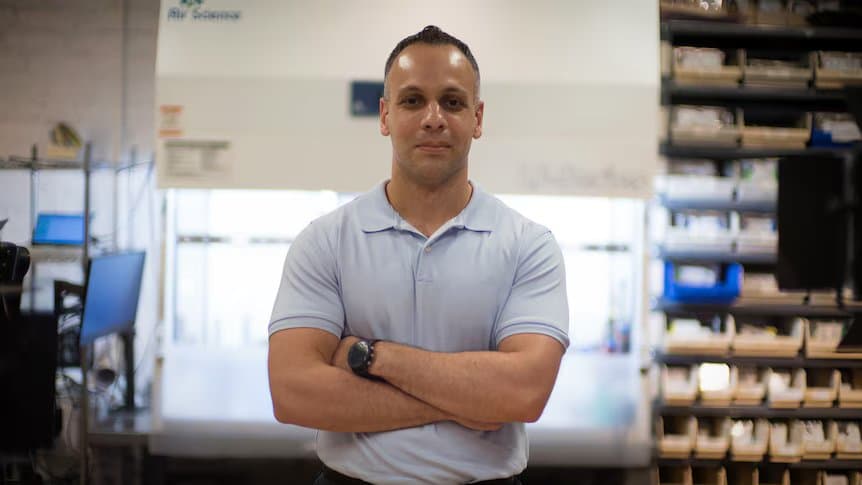
Founder & Chief Technician

Complete 105-minute walkthrough of Seagate Rosewood recovery from donor selection to diagnosis

What You'll Learn

  • How to identify Seagate Rosewood drives and understand why they're among the most common data recovery cases
  • The critical importance of preamp matching when replacing hard drive heads
  • How to use manufacturing date codes to estimate preamp compatibility
  • Why clicking drives require immediate opening to prevent further damage
  • The complete workflow for selecting appropriate donor drives and preparing for head swaps
  • Physical inspection techniques that prevent additional damage during recovery

Understanding the Seagate Rosewood Family

Seagate Rosewood is one of the most common hard drive families encountered in professional data recovery. These 1TB and 2TB drives became ubiquitous in external storage devices, laptop replacements, and consumer backup solutions during the late 2010s. This prevalence makes Rosewood the "bread and butter" of data recovery - every recovery shop encounters dozens of these drives.

Why Rosewood Drives Fail

The Rosewood family is known for several failure modes that make them common recovery candidates:

Clicking Heads

The most common Rosewood failure is clicking - a rhythmic sound indicating the read/write heads are striking the parking position or contacting the platter. This is mechanical damage that typically requires head replacement to recover data.

Stuck Motor

Platters may stick to the motor spindle, preventing spinup. This requires careful unsticking techniques before attempting any other recovery procedures.

Firmware Corruption

Like all Seagate drives, Rosewood units may develop firmware issues that prevent recognition by standard tools, requiring professional recovery hardware.

The Critical Role of Preamp Matching in Head Replacement

When replacing read/write heads on a Seagate hard drive, one of the most critical factors is matching the preamp (preamplifier). The preamp is an integrated circuit located on or within the head stack assembly - the mechanical unit that holds the read/write heads and moves them across the platter.

What is a Preamp and Why Does It Matter?

The Preamp (Preamplifier): A specialized integrated circuit that amplifies the extremely faint electrical signals generated by the read heads as they detect magnetic patterns on the platter. Without the correct preamp, data cannot be read reliably.

Each hard drive preamp is calibrated during manufacturing for that specific drive's characteristics. The relationship between the preamp and the drive's printed circuit board (PCB) is extremely tight. When you replace the head stack assembly, you're replacing the preamp as well - and it must match the PCB's expectations.

If preamps don't match: the drive simply won't work. The heads won't read data, or worse, they may produce errors that corrupt recovery attempts. This is why professional recovery technicians don't just grab any Rosewood drive as a donor - they must carefully select donors with compatible preamps.

Recovery Tip: In older Seagate families (like F3), the preamp type could sometimes be read directly from the ROM using terminal commands. However, on Rosewood drives, this information is not directly accessible - recovery technicians must use manufacturing date codes and statistical analysis to make educated guesses about preamp compatibility.

Identifying Preamp Types: Date Codes and Statistics

Since Rosewood preamps cannot be read directly from ROM, professional recovery shops use a combination of strategies:

Manufacturing Date Codes

Every Seagate drive has a manufacturing date code printed on the label. The format is typically YY/MM (Year/Month). By examining this date, recovery technicians can make educated guesses about which preamp was installed.

Example from this case:

  • 2016 manufacturing: Likely to have C202 preamp
  • 2018 manufacturing: More likely to have 8202 preamp

Preamp types shift over manufacturing generations. The 8202 is by far the most common preamp found on Rosewood drives, while C202 preamps are significantly rarer and harder to source as donor drives.

Statistical Probability and Donor Selection Strategy

Professional recovery shops maintain databases of donor drives organized by preamp type. When a Rosewood arrives with clicking heads, technicians:

  1. Examine the manufacturing date code on the patient drive
  2. Consult their database to determine the most likely preamp type
  3. Select a donor drive from the same manufacturing period with the same estimated preamp
  4. Use the head stack assembly from the donor to replace the failed heads in the patient drive
  5. Proceed with recovery if the preamp match is correct

Important Note: The preamp matching process is not 100% guaranteed. Seagate occasionally mixed preamp types across the same manufacturing period. Recovery shops may need to try multiple donors if the first selection doesn't work. This is why maintaining a large inventory of donor drives is critical for professional recovery operations.

Diagnosing Clicking Heads: Why Immediate Opening is Critical

When a customer reports that a hard drive is clicking, the natural instinct might be to power it on briefly to confirm the issue.This is a critical mistake.

The Danger of Powering On a Clicking Drive

Each time a drive powers on with stuck or damaged heads:

  • The motor spins up and attempts to move the heads across the platter
  • If heads are stuck or not properly parked, they strike the platter surface
  • Each strike causes additional platter damage, head damage, and data loss
  • What might have been a simple head swap becomes a platter cleaning case - exponentially more complex and expensive

The Professional Rule: Open Before Powering On

The golden rule in professional data recovery is:

When you receive a clicking drive:

  1. Do NOT power it on to confirm the clicking
  2. Immediately open the drive in a clean environment
  3. Visually inspect the head stack assembly and platter
  4. Verify that the head stack is free to move
  5. Only then proceed with recovery planning

This approach prevents compounding the damage. A drive with stuck heads that never powers on may have a clean platter with recoverable data. Power it on repeatedly? Now you have platter damage on top of the mechanical failure.

Critical Physical Inspection Before Recovery

Once the drive is opened in a clean environment, a thorough physical inspection determines what recovery approach is possible.

What Professional Recovery Technicians Look For

Platter Surface

  • Are there visible scratches or shaving particles on the platter surface?
  • Is the data zone (where the heads fly) contaminated with white particles (aluminum oxide from the platter)?
  • Are both sides of the platter clean? (Modern drives store data on both surfaces)
  • Is there debris near the head park zone that could interfere with recovery?

Read/Write Head Assembly

  • Inspect the slider surface (the bottom of the head that flies 5-10nm above the platter)
  • Check for platter material embedded in or stuck to the slider
  • Look for bent head arms or misalignment that could cause crashes
  • Verify that the heads are properly parked in the landing zone

Motor and Spindle

  • Can the platter spin freely without resistance?
  • Is the motor assembly properly seated or does it show signs of mechanical failure?
  • Are there any visible cracks, corrosion, or liquid damage to the motor?

Warning: Platter Contamination Risk

If the physical inspection reveals platter shavings, contamination, or platter material embedded in the heads, do not proceed with normal recovery. Instead, the drive requires professional cleanroom cleaning before any head swaps or imaging attempts. Attempting recovery on a contaminated drive will destroy the remaining functional heads and compound the damage irreversibly.

In this video case, the technician discovered platter shaving on the Rosewood patient drive - indicating previous mechanical damage. This required professional cleanroom cleaning before the head swap could be attempted safely.

The Complete Seagate Rosewood Recovery Workflow

Professional Seagate Rosewood recovery follows a carefully structured workflow to maximize success rates:

Step 1: Initial Assessment Without Power

Document customer description (clicking, beeping, not recognized, etc.) and examine the drive label for model information and manufacturing date codes. Do not power on.

Step 2: Clean Environment Opening

Open the drive in a cleanroom or clean bench environment. Inspect the platter, head stack assembly, and motor for signs of damage or contamination.

Step 3: Donor Drive Selection

Based on the patient's manufacturing date code, select a donor drive with a matching preamp type. The donor should be the same model Rosewood (same capacity if possible, same firmware family).

Step 4: Determine Cleaning Requirements

If platter contamination is detected, mark the drive for professional cleanroom cleaning before proceeding. If the platter is clean, proceed to head replacement.

Step 5: Head Stack Assembly Replacement

Remove the defective head stack assembly from the patient drive and install the head stack assembly from the donor drive. This is a precision procedure requiring specialized tools.

Step 6: Initial Power Test

Power on the drive with the replacement heads and test for recognition and basic operation. If the preamp is compatible, the drive should power on without clicking and may be recognized.

Step 7: Professional Recovery

If the drive is recognized and operational, connect it to PC-3000 or similar professional hardware to perform forensic imaging, firmware repair, and data extraction.

Building and Maintaining a Preamp Database

Professional recovery shops don't rely on guesswork alone. They maintain detailed databases of donor drives organized by:

  • Drive Model: Rosewood, Barracuda, F3, Desktop.2, etc.
  • Capacity: 1TB, 2TB, etc.
  • Manufacturing Date: YY/MM codes to predict preamp type
  • Preamp Type: 8202, C202, or others
  • Firmware Version: To ensure compatibility

When a clicking Rosewood arrives, recovery technicians can immediately find compatible donors from inventory. Without this database, they'd need to order donor drives online - a slow, risky process where they're "going in blind" without guarantee of preamp compatibility.

Industry Standards for Head Swap Recovery

Professional data recovery follows well - established procedures for Rosewood head swaps. Key principles include:

Matching Criteria

Preamp compatibility is not just important - it's the single most critical factor. When preamps don't match, the recovery fails. Even slight variations in preamp types can cause track seeking errors or reading failures.

Trial and Error Reality

Despite careful donor selection based on date codes, sometimes a donor with an "estimated" matching preamp still doesn't work. When this happens, technicians try alternative donors. This is why maintaining large donor inventories is essential for professional recovery shops.

Cleanroom Imperative

Any drive with visible platter damage, contamination, or head shaving must go through professional cleanroom procedures before recovery. This is non - negotiable - attempting recovery on a contaminated drive causes catastrophic additional damage.

Sources: These standards are established by the professional data recovery community, documented in Recovery Force forums, ACE Lab documentation, and the collective experience of thousands of recoveries across professional labs worldwide.

Common Challenges in Rosewood Recovery

Even with perfect donor selection, Rosewood recovery presents unique challenges:

Preamp Database Limitations

Unlike older Seagate families, Rosewood preamp information cannot be read directly from the ROM. Recovery technicians must rely on date code statistics and trial - and - error. This makes Rosewood recovery less predictable than some other drive families.

Limited Donor Availability

While Rosewood drives are common, finding donors with the correct preamp type can be challenging. C202 preamps, for example, are significantly rarer than 8202 preamps. Small recovery shops may struggle to maintain adequate inventory.

Platter Contamination

Clicking Rosewood drives often have platter shaving or contamination from previous mechanical failures. This requires expensive cleanroom cleaning, extending recovery time and cost significantly.

Multiple Failure Modes

A single Rosewood drive might have clicking heads AND firmware corruption AND translator issues. Successful recovery requires addressing all failure modes, not just the mechanical head problem.

After Head Replacement: The Recovery Phase

Once the head stack assembly has been successfully replaced and the drive powers on without clicking, the actual recovery process can begin. This involves:

  • PC-3000 Connection: Connect the drive to professional recovery hardware to access low-level drive functions
  • Firmware Repair: Repair any firmware corruption that may exist alongside the mechanical failure
  • Service Area Access: Unlock protected service areas to understand the drive's configuration
  • Forensic Imaging: Create a complete image of the drive's data for analysis and recovery
  • File System Recovery: Reconstruct deleted or damaged file systems from the recovered image
  • Data Extraction: Return recovered files to the customer

This video focuses specifically on the pre - recovery diagnostic phase. Future content will cover the complete PC-3000 imaging process and file recovery techniques in detail.

Key Takeaways for Data Recovery Professionals

  • Preamp matching is non - negotiable: A single preamp mismatch means recovery failure - no partial recovery possible
  • Never power on a clicking drive: Immediate opening in clean environment prevents additional damage
  • Manufacturing date codes are your guide: They provide statistical probability of preamp type
  • Physical inspection is critical: Platter contamination dictates whether cleanroom cleaning is required
  • Maintain a donor drive database: Organized by model, capacity, date code, and preamp type
  • Rosewood prevalence requires specialization: A dedicated section of your inventory should focus on Rosewood donors
  • Trial and error is part of the process: Even with careful donor selection, sometimes trying multiple donors is necessary
  • Successful head swap is just the beginning: PC-3000 and professional recovery hardware are still needed for actual data extraction

Professional Seagate Rosewood Recovery Services

If you have a Seagate Rosewood or other hard drive with clicking, mechanical failure, or firmware issues, our Austin lab specializes in professional recovery. We maintain an extensive inventory of Rosewood donor drives, perform head swaps in controlled environments, and use PC-3000 hardware to extract your data from even severely damaged drives.

Sources

Related Recovery Guides