Skip to main contentSkip to navigation
Rossmann Repair Group

Why Your Seagate External Hard Drive is Beeping: Understanding Stuck Heads

When your Seagate external drive beeps during startup, it means the read/write heads are stuck on the platter surface. Learn what this means, why it happens, and how professional data recovery can save your files.

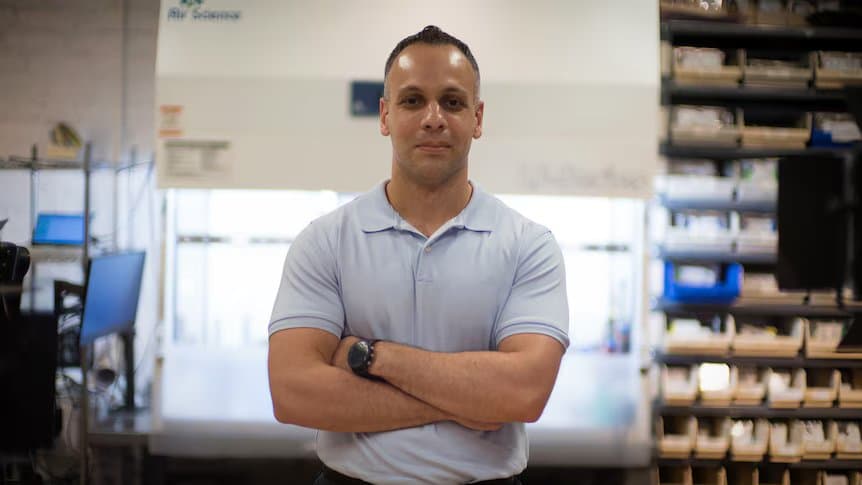
Louis Rossmann
Written by
Louis Rossmann
Founder & Chief Technician

Watch: Real Seagate Rosewood drive opened to show stuck heads and professional recovery process

Critical: Do Not Power Cycle

If your hard drive is beeping, every additional power cycle drags the stuck read/write heads across your data, causing permanent damage. Stop immediately and contact a professional data recovery service.

  • Do NOT power on the drive multiple times to test it
  • Do NOT try to "fix" it yourself without professional equipment
  • Do NOT delay - early intervention preserves more data

Key Takeaways

  • Beeping on power - up means read/write heads are stuck on the platter surface (stiction)
  • This typically happens to 2.5" Seagate Rosewood drives (ST1000LM035, ST2000LM007) found in LaCie Porsche Design and Seagate Expansion enclosures
  • About 70% of beeping drives received by data recovery services are Seagate Rosewood models
  • Professional recovery requires opening the drive in a cleanroom and carefully separating the heads from the platters
  • Recovery is usually possible if you stop immediately, but damaged heads often need replacement

What the Beeping Sound Means

When a hard drive beeps during power - up, it's not a random electronic sound - it's your drive's motor struggling to spin the platters. The beeping indicates that the read/write heads have landed and adhered to the platter surface, a condition called stiction (static friction).

Here's what's happening inside: The spindle motor is attempting to rotate the platters, but the heads are creating too much friction. The motor pulses on and off trying to overcome this resistance, producing the distinctive beeping or buzzing sound you hear.

Unlike a clicking hard drive (which indicates physical damage to the read/write head assembly), a beeping drive with stuck heads is typically recoverable - but only if you act immediately and don't allow further power cycles to occur.

Why This Happens: The Seagate Rosewood Problem

Seagate's Rosewood family of slim 2.5-inch drives has a design weakness: a weak parking ramp. The parking ramp is the safe zone where read/write heads rest when the drive is powered off. When a Rosewood drive experiences even a minor bump while powered on, the heads can be knocked off the ramp and land directly on the platter surface.

Once the drive is powered off with the heads stuck on the platter, the stiction becomes worse. When you power the drive back on, the motor cannot generate enough force to break this static friction, so it beeps.

Seagate Rosewood Models Most Affected

  • ST1000LM035 ; 1TB Mobile HDD (extremely common)
  • ST2000LM007 ; 2TB Mobile HDD (very problematic)
  • ST1000LM048 ; 1TB Barracuda variant
  • Found in: Seagate Backup Plus, Backup Plus Slim, Expansion Portable, LaCie Mobile Drive, and LaCie Porsche Design enclosures

Data recovery professionals report that approximately 70% of all beeping drives they receive are from the Seagate Rosewood family.

What Causes Stiction in Rosewood Drives

  • Physical Impact: Even a minor drop or bump can knock heads off the parking ramp
  • Improper Shutdown: Sudden power loss while the drive is active
  • Manufacturing Weakness: The parking ramp design on Rosewood drives is more fragile than competitors
  • Power Cycling: Repeated plugging in/unplugging can destabilize the head positioning

The Damage Caused by Stuck Heads

When read/write heads are stuck on the platter surface, they're not simply resting - they're making contact with the magnetic coating. Each power cycle causes additional damage:

First Power Cycle

The heads land on the platters. The motor attempts to spin but stiction prevents it. The distinctive beeping occurs as the motor pulses.

Second Power Cycle

As the motor spins, the stuck heads drag across the platter surface. This creates microscopic scratches in the magnetic coating, creating bad sectors in the exact location where the heads were stuck.

Third+ Power Cycles

Each additional power cycle compounds the damage. The data in the area where heads were stuck becomes increasingly corrupted. After 2-3 power cycles, even professional recovery tools struggle to read that sector area.

This is why professionals emphasize: if you have a beeping drive, do not power it on again. The damage happens with each attempt to start it.

What's Inside: The LaCie Porsche Design Example

In this video, we're working with a LaCie Porsche Design external hard drive - a premium enclosure that costs more than standard Seagate drives. Despite the premium branding, it contains a Seagate Rosewood drive inside.

The drive housing in this case uses a problematic design:

  • Minimal rubber gaskets - large gaps expose internal components to dust and debris
  • Difficult - to - remove label as the only seal protecting the drive chamber
  • Pentalobe and T5 screws requiring specialized tools
  • Tight tolerances leaving little room to work when unsticking heads

Data recovery professionals often cite this as poor design for a premium product. The more accessible a drive is to dust and contaminants, the higher the risk of additional failure modes.

How Professional Recovery Works

Recovering a beeping hard drive requires precision tools, cleanroom conditions, and deep technical knowledge. Here's what the process involves:

Step 1: Cleanroom Opening

The drive is opened in a Class 100 cleanroom to prevent dust contamination. A single dust particle can scratch the platter and destroy data.

Step 2: Visual Inspection

Technicians examine the head/platter interface under a microscope. Looking for visible damage, platter scratches, and head alignment.

Step 3: Careful Head Separation

Using specialized tools (not head unstick devices, which can cause additional damage on Rosewood drives), technicians gently separate the heads from the platter surface. This must be done in one smooth motion to avoid spinning the platters while the heads are still engaged.

Step 4: Head Inspection & Replacement

The heads are examined for slider surface damage. Often on Rosewood drives, even if the heads appear intact, they're replaced anyway with heads from a matching donor drive. This eliminates risk to the client's data.

Step 5: Specialized Data Recovery Tools

Once the heads can move freely, the drive is connected to specialized hardware (like PC-3000) that can identify and skip bad sectors created by the stuck head event. Standard Windows/Mac computers cannot recover data from these damaged areas.

Step 6: Sector Mapping & Recovery

The recovery tool identifies the exact LBAs (Logical Block Addresses) where the heads scratched the platter. The software attempts to read backwards, skip sectors, or apply error correction to recover as much data as possible from these damaged areas.

Important: This process can take hours or days. There are no shortcuts in data recovery - rushing a recovery increases the risk of total data loss.

Why DIY Recovery Won't Work

Even if you open the drive yourself and manage to separate the heads without additional damage, you cannot recover the data at home because:

  • Bad Sectors: Your computer cannot read sectors in the area where the heads were stuck. It will simply skip those sectors or freeze attempting to access them. You'll only recover partial data.
  • Head Damage: When heads land on platters, the slider surface (the delicate part that flies above the platter) is often damaged. Using damaged heads causes additional platter damage with each read attempt.
  • Dust Contamination: Opening a hard drive outside a cleanroom introduces microscopic dust particles. These become embedded between the head and platter, permanently damaging the drive.
  • Recovery Tools: Standard operating systems don't have the ability to handle bad sectors in the way specialized recovery hardware can. PC-3000, for example, can map and skip bad sectors intelligently.
  • One Chance Only: Data recovery offers no second chances. If you make a mistake opening the drive, damage the heads further, or cause contamination, you may lose the data permanently. Professional labs exist because this is too risky for DIY.

Why Rosewood Head Failures Are Particularly Problematic

Data recovery professionals have a particular frustration with Seagate Rosewood drives. Even after successfully replacing the heads, new problems emerge:

Head Crash After Recovery

In many cases, replacement heads work for 4-5 hours during recovery, then crash again. This is unique to the Rosewood design and doesn't occur reliably on other drives.

Those who work on hard drives know what this means - it indicates a systemic design issue beyond just the heads themselves.

This is why professional labs often keep a donor Rosewood drive on standby specifically for this model. Rather than risk a failed recovery, technicians replace the heads preemptively to maximize success rates.

The critical insight: Don't take shortcuts in data recovery. The longer, safer process (complete head replacement from a donor) is always preferable to saving 20 minutes of time.

Recovery Success Rates: What To Expect

The good news: if you stop immediately when you hear beeping, data recovery is usually possible. The bad news: the data area where heads were stuck will have some damage.

Best Case: Stopped Immediately

Recovery Rate: 85-95% of data recovered, with manageable bad sectors in a localized area

Moderate Damage: 2-3 Power Cycles

Recovery Rate: 60-80% recovery, with more extensive bad sectors

Severe: Multiple Power Cycles

Recovery Rate: 30-50% recovery or worse, with platter damage in multiple locations

The data in the "hot spot" where heads were stuck is sometimes unrecoverable, but professional tools can often recover everything else on the drive. Every power cycle reduces the recovery window significantly.

What To Do If Your Drive is Beeping

Immediate Actions

  1. Stop using the drive immediately
  2. Unplug the USB cable or power cord
  3. Do not attempt to power it on again - every attempt causes damage
  4. Store the drive in a safe location (not a static - prone surface)

Professional Recovery

  • Contact a data recovery service that specializes in Seagate Rosewood drives
  • Many labs offer free evaluations to determine exact failure mode and recovery prospects
  • Ask specifically about cleanroom procedures and PC-3000/UDMA experience
  • Recovery typically costs $400-$1,200+ depending on damage extent
  • Most reputable labs offer no - data/no - fee policies (don't pay if they can't recover)

DO NOT

  • Open the drive yourself without cleanroom facilities
  • Use generic external drive recovery software
  • Power cycle the drive to test if it still works
  • Apply heat or shock to try to "unstick" the heads
  • Wait - the sooner you act, the more data is recoverable

Prevention: Protecting Against Stuck Heads

While you can't completely prevent stiction in Rosewood drives (the design flaw affects all units), you can minimize risk:

  • Backup regularly: Keep copies of important data on a separate drive. This is the only true insurance against hard drive failure.
  • Avoid physical impacts: External drives are portable but still fragile. Drops while powered on can knock heads off the ramp.
  • Proper shutdown: Always eject drives safely and let them fully power down before disconnecting.
  • Minimize power cycling: Each time you plug in and unplug, you're introducing vibrations. Power the drive on and leave it on if possible (with proper cooling).
  • Avoid Rosewood drives: If you're buying a new drive, choose Western Digital or other manufacturers with better track records. Seagate Rosewood drives are statistically unreliable.
  • Temperature control: Keep drives cool. Heat accelerates degradation and increases failure risk.

Why Data Recovery Professionals Don't Recommend Seagate Rosewood

It creates a difficult paradox: beeping Seagate drives bring steady business to data recovery labs, but professionals can't in good conscience recommend Seagate products. Here's why:

  • Predictable Failure Patterns: When you see the same failure mode (stuck heads, platter damage, head crashes) occurring repeatedly with one brand, it's not random. It's a design problem.
  • Recovery Complications: Rosewood drives often fail in ways that other 2.5" drives don't. Replaced heads crash after hours of operation. Platter damage extends beyond the initial stuck head area. These are systemic issues.
  • Industry Data: Backblaze, which operates over 300,000 hard drives, shows Seagate reliability varies wildly by model - sometimes with failure rates exceeding 8% annually.
  • Consumer Protection: Recommending a product we know will likely fail feels unethical. Professional responsibility means suggesting better alternatives.

This mirrors the IBM Deskstar "DeathStar" situation of the late 1990s - when one manufacturer's drives fail at unacceptable rates, the entire brand eventually loses market trust.

Need Data Recovery Help?

If your Seagate or LaCie external drive is beeping, stop powering it on immediately. Our Austin lab specializes in Rosewood recovery with professional cleanroom procedures, PC-3000 hardware, and deep experience unsticking heads without causing additional damage.

Sources

Related Videos & Guides