Skip to main contentSkip to navigation
Rossmann Repair Group

Western Digital Head Swap Data Recovery: Professional Donor Replacement Guide

A complete technical walkthrough of replacing failed read/write heads on Western Digital hard drives through donor head stack assembly matching and replacement. Learn proper cleanroom procedures, micro - jog alignment, preamp matching criteria, and step - by - step head swap installation techniques used by professional data recovery specialists.

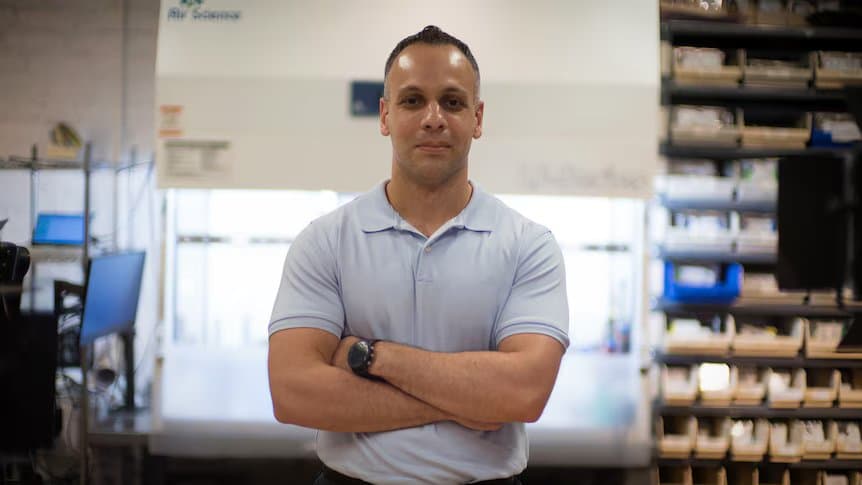
Louis Rossmann
Written by
Louis Rossmann
Founder & Chief Technician

Complete 40-minute walkthrough of Western Digital head stack assembly replacement, donor matching, and professional head swap procedures

What You'll Learn

  • The three types of hard drive head failures and how to identify them visually
  • What criteria to match when selecting a compatible donor drive for head swap
  • Proper cleanroom technique and ISO 5 Class 100 bench procedures
  • Step - by - step head stack assembly removal and installation process
  • Micro - jog parameters and preamp matching requirements for success
  • Common mistakes that damage sliders and how to avoid them
  • Tools and techniques for safe actuator magnet and head comb removal

Understanding Hard Drive Head Assembly Components

Professional head swap data recovery requires deep understanding of hard drive internal components and their functions. Unlike generic computer repair, data recovery specialists must work at the component level to restore functionality to drives with failed read/write heads.

The Head Stack Assembly: Core of the Drive

The head stack assembly (HSA) is the mechanical system that reads data from the spinning platter. It consists of several critical components working in precision harmony:

  • Read/Write Heads: The actual sensors that detect magnetic information on the platter. These rest on sliders (thin pads) that float on a microscopic air film above the platter surface.
  • Sliders: Precision - made pads with aerodynamic surfaces that maintain the exact height needed for head positioning. Damaged sliders are permanent failures.
  • Actuator Arm: The mechanical lever that moves the entire head stack across the platter surface to access different data tracks.
  • Actuator Magnet: The permanent magnet that drives the actuator arm movement. Must be carefully removed with proper tools to avoid damage.
  • Head Comb: A separator that prevents heads from touching each other. Magnetic shielding keeps heads isolated, but contact can cause slider separation damage.
  • Preamp (Preamplifier): Electronic component that amplifies signals from the read heads. Preamp failure causes clicking but is repairable through donor heads.

Understanding each component's role is essential because damage to different parts requires different recovery approaches. Damaged sliders require head replacement, while electronic preamp failures are resolved through donor head installation.

Three Common Types of Head Failures

Professional data recovery specialists recognize distinct failure patterns. Understanding which type of failure occurred determines whether head swap recovery is viable.

Type 1: Stuck Heads from Impact (Drop Damage)

When a powered - off drive is dropped or experiences shock impact, the head stack assembly can collide with the spinning platter. The heads become physically stuck on the platter surface due to contact.

  • • Damage level: Potentially recoverable
  • • Critical action: Do NOT power on after drop. Immediate recovery needed.
  • • Why it matters: Powering on causes spindle to tear sliders away, making recovery impossible

Type 2: Preamp Failure (Electronic Failure)

The preamplifier circuit (located on the head stack assembly) fails due to electrical surge, power spike, or internal electronics malfunction. Drive produces clicking sound on power - up and fails to recognize.

  • • Damage level: Excellent recovery potential
  • • Symptom: Clicking sound, quick power - off cycle, no recognition
  • • Solution: Replace entire head stack with donor assembly
  • • Success rate: High, if donor matching is performed correctly

Type 3: Platter Collision (Active Head Crash)

When a powered - on drive experiences impact, the spinning platter collides with flying heads. This causes catastrophic slider damage and often deep platter scratches. The clicking sound differs - it's the head bouncing against the platter as spindle spins.

  • • Damage level: Severe but sometimes recoverable
  • • Microscopic inspection needed: Check platter and slider condition
  • • Recovery approach: Clean platter if possible, then attempt head swap
  • • Risk: Remaining functional heads may also be damaged

In the video case, the Western Digital drive exhibits Type 2 failure symptoms: clicking on power - up followed by immediate power - down, suggesting preamp failure rather than mechanical head damage. This makes it an excellent candidate for donor head stack replacement.

Cleanroom and Contamination Control

Hard drive heads fly at just 3-5 nanometers above the platter - a distance smaller than dust particles. Professional data recovery requires strict environmental controls to prevent particle contamination that would instantly destroy recovery efforts.

ISO 5 Class 100 Cleanroom Standards

The video demonstrates work performed on an ISO 5 Class 100 cleanroom bench. This certification means:

  • • Maximum 100 particles per cubic foot (3.5 microns or larger)
  • • Particles smaller than 3.5 microns are filtered or slip through
  • • Air filtration changes every 15-30 minutes
  • • Suitable for hard drive head work but not semiconductor fabrication (Class 1000)

Essential Cleanroom Practices

Tool Sterilization

All tools (tweezers, pliers, screwdrivers) must be clean and grease - free. Oils and residues attract particles.

Air Circulation Control

Maintain airflow patterns and avoid sudden movements that create turbulence and particle suspension.

Compressed Air Usage

High-pressure compressed air can dislodge stubborn particles but must be applied carefully to avoid pushing particles onto critical surfaces. Use filtered/dry compressed air only.

Glove Management

Nitrile gloves prevent oils and skin cells from contaminating the workspace. Change gloves frequently.

Critical Warning: Never touch platters, sliders, or read surfaces with bare hands. Never wipe platters with Q - tips or cloths - use only compressed air if cleaning is necessary.

Donor Matching: The Science and Art

Head stack assembly compatibility is not guaranteed between drives, even within the same model family. Professional labs match specific parameters to maximize success rates. While different capacity donors can sometimes work, matching criteria exist for good reason.

Primary Matching Criteria

1. Micro-Jog Parameters

Micro - jogs are a set of calibration parameters programmed into each head stack assembly during manufacturing. These fine - tune the exact positioning and behavior of the heads for that specific assembly. While the concept is complex, the practical rule is simple: micro - jogs must match or be very close. Mismatched micro - jogs can cause read/write timing errors and data corruption.

2. Preamp (Preamplifier) Matching

The preamp component on the head stack must match in both vendor and revision number. The preamp is tied to head characteristics and must be calibrated specifically for those heads. Mismatched preamps cause signal detection failures and read errors.

3. Head Type Compatibility

Different drive generations use different head types optimized for their respective platter materials and rotational speeds. The heads must be from the same drive family or at minimum, the same platter type.

4. Drive Model and Family

Matching the full model number is ideal. If that's not possible, at minimum match the first part of the model number and the specific characters in the drive designation. Western Digital Green, Red, Purple, and Blue lines use different head types even within similar capacities.

Secondary Matching Factors

Manufacturing Date: Within 3 months of the patient drive is ideal. Closer dates indicate better component matching. However, this is less critical than preamp/micro - jog matching.

Capacity: While different capacities (1TB vs. 2TB) can sometimes work if other criteria are matched, same capacity is preferable. Capacity differences sometimes indicate different head versions.

PCB Revision: The PCB (printed circuit board) should match in revision if possible, but is less critical than head stack parameters. PCBs can be swapped between same - model drives even with different revisions.

Country of Origin: Some manufacturers assign different components based on region. Matching this when possible improves compatibility.

Professional Practice: Many data recovery labs maintain inventory of multiple donor drives from the same manufacturer and model line. When the primary donor fails, having backup donors prevents complete recovery failure. This is why professional labs achieve higher recovery rates than DIY attempts.

Step - by-Step Head Stack Assembly Removal

Safe removal of the head stack assembly requires patience, proper tools, and understanding of the mechanical relationships within the drive. Rushing this process causes permanent damage.

Step 1: Remove Top PCB Bracket

Remove the two T6 Torx screws holding the plastic bracket that covers the top of the actuator assembly. This bracket protects components and must be removed for access.

Do not force the bracket. It should lift easily once screws are removed.

Step 2: Install Head Comb (If Not Already Installed)

Place the head comb into the slots on the head stack assembly. This plastic separator keeps heads from touching each other during removal. Magnetic shielding separates heads, but contact can cause slider separation.

The comb should fit flush against the heads. If it's difficult to insert, gently wiggle it side - to - side.

Step 3: Remove Actuator Magnet

Use a pair of flat - nose or needle - nose pliers to lift the actuator magnet away from the actuator arm. The magnet is held by magnetic force only - no screws secure it. Steady, even pressure works best.

Some technicians use a specially - designed magnet removal tool, but quality pliers work fine. Avoid sudden jerking motions that could damage internal structures.

Step 4: Remove Head Comb Stopper Pin

A small pin or screw at the base of the head stack prevents the comb from moving during drive operation. Remove this pin. For 3.5-inch drives, this step is optional as the spindle torque is usually sufficient, but it's safer to remove it.

This allows the head stack assembly to move freely when you pull it out.

Step 5: Remove Double Rubber Damper (Critical Step)

A rubber gasket sits between the head stack assembly and the drive housing. This damper sometimes becomes stuck to the housing. If you install a donor head stack with its own rubber damper while the old one is still on the housing, you'll have double rubbers and the assembly won't fit properly.

Carefully peel away or scrape the old rubber from the housing. Clean the surface so the donor assembly sits flush.

Step 6: Pull Out Head Stack Assembly

Using fine - tipped tweezers with teeth for grip, locate the pull tab (small protruding piece) on the head stack corner. Hold the tweezers at the corner edge and pull steadily upward and outward.

Wiggle gently side - to - side if resistance is felt. The assembly should slide out smoothly without significant force. Excessive force indicates something is obstructed.

Step 7: Inspect Platter and Damage

With the head stack removed, carefully examine the platter surface under strong light or with a microscope. Look for:

  • • Visible scratches or gouges
  • • Platter dust or shavings
  • • White spots indicating contamination
  • • Deep impact marks from head crashes

Significant damage may indicate the drive needs professional platter cleaning before recovery can proceed.

Step 8: Clean Interior with Compressed Air

Use short bursts of compressed air to remove any dust or particles from the drive interior. Point the air stream away from the platter and towards the wall.

Do not let the air can tip or release liquid refrigerant. Use only filtered, dry compressed air.

Result: The patient drive is now prepared for donor head installation. The platter is accessible for inspection, and the housing is clean and ready for the new head stack assembly.

Donor Drive Preparation

Before installing the donor head stack into the patient drive, the donor must be carefully disassembled using identical procedures to remove its head stack assembly.

Donor Disassembly Process

The donor disassembly process mirrors the patient removal:

  1. Remove PCB bracket screws
  2. Install head comb (if needed)
  3. Remove actuator magnet using pliers
  4. Remove head comb stopper pin
  5. Carefully extract head stack assembly

Pre-Installation Inspection

Before installing the donor head stack into the patient drive, inspect it carefully:

Slider Condition: Examine under magnification. Sliders should appear clean and intact. Any cracks, surface irregularities, or material loss indicates the assembly cannot be used.

Head Positioning: Heads should be resting in the ramp when parked. They should not be touching each other or the actuator arm.

Rubber Damper: Check that the rubber gasket is still attached to the donor assembly. It will be transferred with the assembly to the patient.

Preamp Connection: Ensure the preamp/electronics are clean and undamaged. Any visible corrosion or burn marks indicate the donor may not function.

Donor Head Stack Installation

Installing the donor head stack assembly into the patient drive requires the same care and precision as removal. Any misalignment or damage during installation causes permanent failure.

Step 1: Position Patient Drive

Place the patient drive housing - side - up on the cleanroom bench. The head stack insertion channel should be clearly visible and accessible.

Step 2: Verify Rubber Damper Removal

Ensure the old rubber damper from the patient drive has been completely removed from the housing. The donor assembly's rubber damper will seat against the housing surface. Double rubbers prevent proper seating.

Step 3: Position Donor Head Stack

Hold the donor head stack assembly using fine tweezers at the corner grip point. Position it above the insertion channel. The assembly should align with the mounting guides on the housing.

Do not rush this step. Proper alignment prevents jamming and mechanical damage.

Step 4: Gently Insert Assembly

With steady pressure, guide the donor head stack downward into the patient housing. The assembly should slide in smoothly. If resistance is felt, stop and check alignment - do not force it.

Feel for the assembly settling into its proper position. It should seat flush with the housing, not tilted or protruding.

Step 5: Reinstall Actuator Magnet

Once the head stack is seated, reinstall the actuator magnet using the same magnet or a compatible replacement. The magnet must make full contact with the actuator arm.

Verify the magnet is seated properly by gently attempting to slide the actuator arm. It should be held firmly in place by the magnet.

Step 6: Reinstall PCB Bracket

Replace the plastic bracket and secure it with the two T6 Torx screws. Do not over - tighten - just snug.

Step 7: Verify Actuator Movement

Gently try to move the actuator arm side - to - side by hand. It should move smoothly and return to center position when released. If it's locked or makes grinding sounds, disassemble and check for obstruction.

Critical Checkpoint: Do not apply power to the drive at this stage. First inspection and verification steps must be completed to confirm the head stack is properly installed.

First Power-On and Initial Testing

The first power - on of a drive with a donor head stack is the moment of truth. Proper testing procedures identify issues before permanent damage occurs.

Power-On Procedure

Listen carefully: Upon power - on, you should hear the spindle start (smooth humming sound) and the actuator arm positioning itself. There should be no clicking, grinding, or unusual noises.

Monitor temperature: The drive should not become hot. If it does, there may be a short or mechanical resistance.

Watch LED indicators: If available, the activity LED should blink when the drive is powered. Continuous light or no light indicates issues.

Attempt recognition: Connect the drive to a PC or use specialized recovery hardware to attempt recognition. The drive should either be recognized or produce specific error messages rather than no response.

Common First Power-On Scenarios

Success: Drive recognized immediately, or BIOS shows detected but not accessible. This indicates the head swap was successful and the drive is ready for recovery.

Partial Success: Drive powers on and spins but cannot be recognized. This may indicate micro - jog mismatch or preamp incompatibility. Before assuming failure, try the same drive model but different manufacturing date as backup donor.

Clicking/Grinding: Unusual sounds indicate mechanical misalignment or donor head damage. Immediately power off. Do not retry as this may cause further damage.

The video demonstrates a real case where the first donor attempt resulted in clicking, indicating an issue. The technician swapped in a different donor with better micro - jog matching, which resolved the problem.

Next Steps: Recovery and Imaging

A successful head swap is only the beginning of data recovery. Once the drive is recognized, professional imaging procedures extract the data safely.

Typical Recovery Workflow After Head Swap

  1. Establish connection with specialized recovery hardware (like PC-3000)
  2. Identify drive model and firmware version for recovery procedures
  3. Test read capabilities at various LBAs (logical block addresses)
  4. Create complete disk image using adaptive imaging with error correction
  5. Mount image in file recovery software to extract user files
  6. Validate recovered files for integrity and completeness

The video focuses specifically on the head swap procedure. Complete recovery processes including firmware unlocking, service area access, and disk imaging are covered in dedicated recovery videos.

Common Head Swap Mistakes to Avoid

Mistake 1: Forcing Head Comb Removal

Forcing the head comb or separator can cause sliders to tear off the head stack arm. Always wiggle gently. If a head comb is stuck, apply light pressure from multiple angles rather than straight - up force.

Mistake 2: Allowing Heads to Touch

When the head comb is removed or not properly installed, heads can collide. Even brief contact causes electromagnetic interference and slider separation. Always ensure heads are separated during handling.

Mistake 3: Double Rubber Installation

Forgetting to remove the old rubber damper from the housing before installing the donor means two rubbers layer up. The donor assembly won't sit flush, causing misalignment and potential mechanical damage.

Mistake 4: Powering On Without Inspection

Immediately powering on a drive with a donor head stack before verifying proper seating and alignment can cause mechanical damage if the assembly is misaligned.

Mistake 5: Ignoring Micro-Jog Mismatch

Using a donor with significantly different micro - jog parameters may cause read timing errors and data loss. Always match micro - jogs when possible, or have multiple donors available for testing.

Mistake 6: Touching Heads or Sliders

Any direct contact with sliders or read surfaces contaminates them. Use only tweezers on the corner pull tabs, never on the sliders themselves or head electronics.

Mistake 7: Reusing Failed Donor Drives

If a donor drive appears to have issues, resist the temptation to use it. A marginal donor may partially work, appear successful, then fail during recovery. Always use donor drives known to be functional.

Professional Head Swap Summary

  • Head failures are common: Impact damage, preamp failure, and platter collisions each require different recovery approaches
  • Cleanroom standards are non - negotiable: ISO 5 Class 100 or better prevents particle contamination that destroys recovery attempts
  • Donor matching determines success: Micro - jog parameters, preamp revision, and head type must match for best results
  • Careful disassembly prevents damage: The removal and installation process requires patience and proper tools
  • Multiple donors provide insurance: Professional labs maintain backup donors for compatibility issues
  • First power - on is diagnostic: Careful listening and observation reveals whether the head swap was successful
  • Head swap is just the beginning: Once heads are replaced, specialized recovery software and firmware unlocking complete the recovery
  • Professional recovery labs have success advantages: Training, equipment, donor inventory, and clean environments achieve recovery rates impossible for DIY attempts

Western Digital Data Recovery Services

If your Western Digital hard drive is experiencing clicking sounds, failing to power on, or showing signs of head failure, our Austin lab specializes in donor head stack replacement recovery. We maintain an extensive inventory of compatible donors, work in certified cleanroom facilities, and use professional - grade recovery tools. We handle all WD drive families including Green, Red, Purple, and Blue lines.

Sources and References

Related Recovery Guides