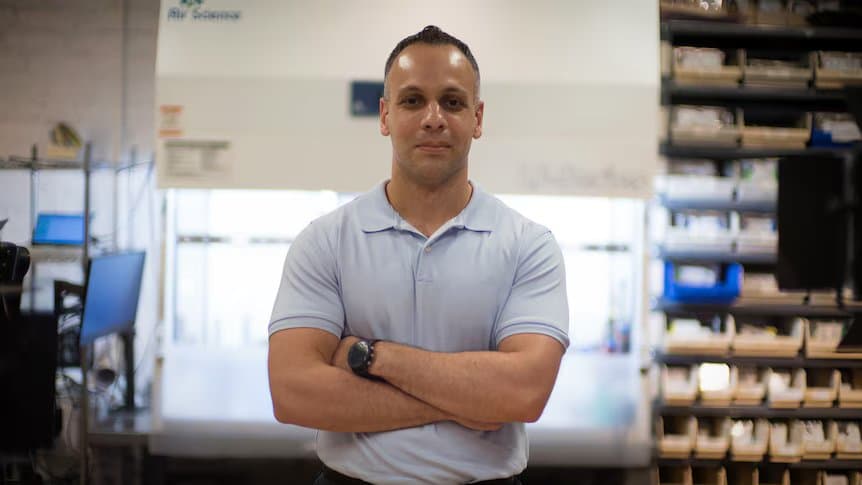
Lab Data Recovery by Rossmann Repair Group: Professional Standards & Transparent Pricing
Why professional data recovery labs use specialized tools, clean room procedures, and transparent pricing - and why hidden costs have no place in trustworthy service.

Watch: Inside our Austin lab - professional data recovery procedures and transparent service
Key Takeaways
- •Industry standard: data recovery companies hide pricing because their costs are actually unaffordable
- •Transparent pricing should be the norm, not the exception - you deserve to know costs before sending your drive
- •Professional lab recovery uses clean room procedures, PC-3000 tools, and specialized firmware repair techniques
- •Lab - level recovery differs from DIY recovery in success rates, safety, and the ability to recover data from physically damaged drives
Why Data Recovery Pricing is So Secretive
When companies refuse to publish their pricing, there's a simple reason: it's because they know you can't afford it. This principle holds universally true - advertising without prices almost always means the prices are prohibitive.
In the data recovery industry, this practice reaches absurd levels. Trying to get a quote for a specific tier of service from a major recovery company is "worse than getting teeth pulled," as one expert puts it. You call, you explain your problem, they ask for your drive to be shipped to them, and only after a $100-$300 diagnostic fee do they tell you what recovery will actually cost.
The Real Cost Structure
According to industry analysis, professional data recovery pricing typically breaks down as follows:
- Diagnostic fees: $100–$300 (often non - refundable)
- Hourly rates: $100–$300 per hour for technician time
- Flat - rate tiers: Simple recoveries $300–$500; complex recoveries $1,000–$3,000+
- Clean room access: Additional fees just for opening the drive
- Hardware replacement: Donor drives, parts, and tools add 50–100% to the total
Many companies add "attempt fees," "second opinion fees," or "re - evaluation fees"; all ways to charge more without improving outcomes.
The reason for secrecy isn't complexity. It's because the numbers look bad. And customers deserve better.
Transparent Pricing: The Rossmann Difference
Rossmann Repair Group operates on a different principle: transparent business practices and pricing that normal people can actually afford.
When you contact the lab, you don't need to ship your drive first to find out costs. You can discuss your situation, understand exactly which tier of service your drive needs, and know the price before sending anything. This is how service should work everywhere - but it's shockingly rare in data recovery.
What You Get With Lab-Level Recovery
- Professional - grade clean room environment (ISO Class 5–6)
- Specialized tools like PC-3000 for firmware and hardware repair
- Expert diagnosis of what actually failed on your drive
- Transparent pricing with no hidden attempt fees
- Higher success rates than DIY recovery software
- Ability to recover from physically damaged drives
Professional Data Recovery Tools: PC-3000 and Beyond
Professional data recovery labs use specialized hardware and software that isn't available to consumers. The most widely used professional toolkit is PC-3000, manufactured by ACE Laboratory (based in Russia/EU).
What is PC-3000?
PC-3000 is a hardware and software system consisting of:
- PCI Express card (4-port or 2-port variants) that connects to the recovery workstation
- Specialized cables and connectors for various hard drive types
- Power control circuitry for precise voltage regulation and power cycling
- Proprietary software that communicates with drives at the firmware level
What makes PC-3000 powerful is that it bypasses the drive's normal boot process and allows technicians to access the firmware directly. This enables:
PC-3000 Capabilities
- Firmware repair: Fix corrupted firmware modules (PPBUS, ROM, SA)
- Head mapping: Identify and work around bad read/write heads
- Service area access: Recover drive configuration and recovery parameters
- Physical head removal: Safely remove and replace read/write head assemblies
- Donor matching: Find compatible donor drives for head/preamp swaps
- Data extraction: Read data even when the drive won't boot normally
Consumer - level recovery software (like Recuva, EaseUS, or R-Studio) can't do any of this. They work only on drives that are already accessible to Windows or Mac - drives with no physical damage and intact firmware.
Other Professional Tools
PC-3000 is the core, but professional labs use complementary equipment:
- Microscopes and head removal tools: For safe HDD disassembly and component replacement
- Clean bench setups: Static - controlled work surfaces to prevent ESD damage
- Donor drive inventories: Compatible hard drives for parts replacement
- Specialized software: Tools for SSD NAND recovery, RAID reconstruction, and partition analysis
- Isolated workstations: Computers configured specifically for data recovery without internet exposure
What Makes Lab Recovery Different: Clean Room Procedures
Opening a hard drive requires a clean environment. A single particle of dust can damage the read/write heads or platter coating. Professional labs maintain ISO Class 5–6 clean rooms, meaning the air is filtered to remove particles larger than 0.3 micrometers.
Typical Lab Recovery Procedure
1. Initial Diagnosis
Connect the drive to PC-3000 without opening it. Test for firmware issues, electrical problems, and what specifically failed. This non - invasive step answers: "Can we recover this without opening it?"
2. Service Area Extraction
Use PC-3000 to extract the drive's service area - configuration modules that describe how data is organized. This often allows data extraction even if the heads are damaged.
3. Firmware Repair (if needed)
If firmware is corrupted (detected via PC-3000 analysis), repair or reload it using clean firmware modules. This often restores the drive to working condition.
4. Physical Opening (if necessary)
If the drive still won't read, open it in the clean room. Physical failures like stuck heads, platter damage, or head preamp failure require component replacement or head removal.
5. Component Replacement
Replace damaged heads, preamp boards, or motor components using compatible donor drives. Precise alignment is critical - misalignment means head crash and total failure.
6. Data Extraction
Once the drive is functional again, use cloning tools or sector - by - sector imaging to extract all recoverable data to a healthy drive.
7. Verification & Delivery
Verify file integrity, organize recovered data, and deliver via secure methods (encrypted external drive or secure cloud upload).
Each step requires expertise, specialized tools, and patience. This is why professional recovery is expensive - and also why it succeeds where DIY attempts fail.
Why DIY Recovery Software Fails on Real Hardware Failures
Consumer data recovery software like Recuva, EaseUS, R-Studio, and similar tools works by scanning the file system on a drive that's still accessible. They're useful when:
- A drive is accidentally formatted
- Files are deleted but the partition table intact
- The drive is still recognized by the OS
However, DIY software can't help if the drive has hardware failure:
Firmware Corruption
The drive won't be recognized at all. Software can't run because the OS never sees it. PC-3000 can reload firmware and restore function.
Head Failure
The read/write heads are broken or misaligned. Software can't recover data if it can't be read. Lab recovery requires physical head replacement.
Electrical Damage
The PCB or preamp board is damaged. Software doesn't run because the drive won't power on. Labs replace or repair the electronics.
Platter Damage
The magnetic coating is scratched or gouged. Data is physically destroyed. No software (professional or consumer) can recover destroyed data.
DIY attempts on drives with hardware failure often make things worse. Repeated power - cycling, attempting to access a drive with stuck heads, or opening a drive outside a clean room can accelerate damage and lower recovery success rates.
How to Choose a Trustworthy Data Recovery Service
Not all data recovery companies are equal. Here's what to look for:
Transparent Pricing
Reputable labs publish pricing tiers for different failure types (logical, firmware, head failure). They should provide a quote after initial diagnosis, not charge hidden fees for "attempts" or "evaluations."
Clean Room Certification
Ask if they maintain an ISO Class clean room. Labs that open drives outside clean rooms risk particle contamination and complete recovery failure.
Professional Tools
Verify they use PC-3000 or equivalent professional - grade recovery tools. Legitimate labs have these systems; bootleg operations rely only on consumer software.
No-Data-No-Fee Policy
Reputable services don't charge if they can't recover any viable data. This aligns their incentive with yours: successful recovery.
Honest Assessment
A good lab will tell you upfront if recovery is unlikely (platter damage, for example). They won't take your money knowing they can't help.
What To Do If Your Drive Fails
Immediate Steps
- Stop powering it on. Each power cycle on a failing drive can cause additional damage, especially if heads are stuck.
- Don't open it yourself. Opening a drive outside a clean room introduces particles that destroy the platter and heads.
- Contact a professional lab. Choose one with transparent pricing and get a quote before committing.
- Ship carefully. Prevent additional physical damage during transport with proper padding.
Questions to Ask
- What do you charge for initial diagnosis?
- Do you have a clean room? What ISO class?
- What tools and equipment do you use?
- What's the recovery cost for drives with firmware failure vs. head failure?
- What's your success rate for my drive type?
- Do you charge if you can't recover the data?
Prevention is Cheaper Than Recovery
The best data recovery strategy is not to need recovery at all. Prevention costs nearly nothing compared to professional lab recovery ($500–$3,000+).
Prevention Checklist
- 3-2-1 backup rule: 3 copies of data, 2 different media types, 1 offsite
- Automated backups: Use scheduled backups so you never forget
- External drive care: Keep drives in cool, dry places; avoid physical impacts
- Monitor for warning signs: Unusual noises, slowness, or clicking indicate imminent failure
- Replace aging drives: Hard drives age out; replace drives older than 3–5 years preemptively
Your critical data deserves automated, redundant backups. Once a drive fails, recovery is expensive and outcomes uncertain.
Need Professional Data Recovery?
Rossmann Repair Group provides transparent, affordable lab - level data recovery using professional tools and clean room procedures. We tell you the price before you ship your drive - no hidden fees, no surprises.
Sources & References
- Data Recovery Prices & Rate Calculator: 100% Transparent Flat Fees
- Data Recovery Pricing - ACE DRS
- What Is PC-3000? The Tool Behind Professional Data Recovery - Rossmann Repair Group
- PC-3000 Suite - Teel Technologies (Official Distributor)
- PC-3000 Overview-Forensics Wiki
- How Much Does Professional Data Recovery Cost? - Secure Data Recovery